As we approach 2026, the conversation surrounding artificial intelligence (AI) and its potential to transform the job market is more relevant than ever. With advancements in machine learning, automation, and robotics, many are left wondering: will AI truly replace traditional jobs, or will it create new opportunities for the workforce? This article delves into the current capabilities of AI, explores its historical impact on employment, and examines predictions for its development over the next few years. By understanding the sectors most likely to be affected, the importance of human skills, and strategies for adaptation, we aim to uncover the truth behind the question of AI and job replacement in the near future.
Understanding AI’s Current Capabilities
Defining Artificial Intelligence
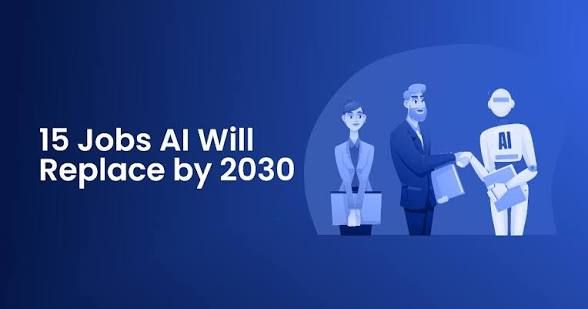
Artificial Intelligence (AI) is like that overachieving kid in class who keeps raising their hand. It’s the simulation of human intelligence processes by machines, particularly computer systems. This includes learning (the “I can do this” phase), reasoning (the “Let me think about that” phase), and self-correction (the “Oops, my bad!” phase). From virtual assistants that can order your groceries to algorithms analyzing data faster than you can say “where’s my wallet?”—AI is making a name for itself.
Current Applications of AI in Various Industries
AI is currently strutting its stuff across a variety of industries. In healthcare, it’s diagnosing diseases with more accuracy than some doctors (sorry, Doc!). In finance, algorithms are predicting market trends while humans are still trying to figure out if it’s a good time to buy that new gadget. Even in retail, AI is personalizing your shopping experience, suggesting that you really don’t need another pair of shoes, but here’s one you might like anyway.
Limitations of AI Technology Today
Despite the AI hype, it still has some hurdles, much like trying to assemble furniture without instructions. For one, AI lacks true understanding and consciousness. It can process information but doesn’t “get” it the way humans do. Plus, it’s still not great at dealing with ambiguity—ask it a tricky question, and you might just get a confused silence. So, while AI is impressive, it’s not ready to take over the world just yet.
Historical Impact of Automation on Employment
Case Studies of Past Automation Waves
History is peppered with tales of automation crashing into the job market like a surprise party nobody asked for. Take the Industrial Revolution, for instance. Machines started doing the work of human hands, and while some folks were busy losing jobs, others were capitalizing on new opportunities. The assembly line rolled in, and job titles changed faster than people could blink—goodbye artisan, hello factory worker.
Job Creation vs. Job Displacement: A Historical Perspective
The relationship between automation and jobs is a bit like a tug-of-war. For every job lost to machines, new ones were created. Sure, the blacksmith might have been miffed when the automobile took over, but think of all the jobs in car manufacturing and maintenance that emerged! Historically, each wave of automation has brought about a transformation, leading to new roles just as some faded away—so it’s a mixed bag of heartbreak and opportunity.
Lessons Learned from Previous Technological Shifts
The biggest takeaway from past auto-mishaps (get it?) is adaptability. Those who learned to pivot and reskill have often reapplied their talents to fit the changing landscape. So, while job loss can feel like a punch in the gut, embracing the change and retraining could be the ticket to staying relevant. Just because the robots are coming doesn’t mean we have to pack our bags and leave the workforce.
Predictions for AI Development by 2026
Expert Insights and Forecasts
Experts are throwing around predictions for AI in 2026 like confetti—some cautiously optimistic and others downright wild. Expect AI to be more ingrained in everyday tasks, with advancements in machine learning making it smarter and more intuitive. Think of your fridge ordering groceries before you even know you’re out of milk! The buzz is that AI will become an even more valued team player, while still not stealing your lunch (yet).
Emerging Technologies and Innovations
In the tech lab, innovations are bubbling like a science experiment gone right! We’re looking at quantum computing, improved natural language processing, and robotics that can handle complex tasks without turning into clumsy toddlers. The horizon is bright, and it’s likely these emerging technologies will work in harmony with AI, ushering in efficiency and effectiveness like never before.
Potential Breakthroughs in AI Capabilities
By 2026, we might see AI that can not only react but predict with alarming accuracy—like a psychic but without the crystal ball. Imagine personalized healthcare plans or financial advice tailored to your every quirk. AI’s potential breakthroughs could revolutionize how we work and live, but it’s essential to keep an eye on the ethics of these advances lest they become sci-fi nightmares instead of uplifting tools.
Sectors Most Likely to be Affected by AI
Manufacturing and Production
Manufacturing is where AI could really flex its muscles, automating repetitive tasks and boosting productivity. Picture a factory where machines do the heavy lifting—literally—while humans oversee the creative and strategic aspects. While this might trim some jobs, it could also lead to the creation of new roles in robotics maintenance and AI program management.
Healthcare and Diagnostics
In healthcare, AI is ready for a major role on the frontline. With its ability to analyze data from medical records, symptoms, and test results, it could help diagnose diseases faster than you can say “stethoscope.” The catch? It’ll probably be working alongside medical professionals, enhancing their capabilities rather than replacing them. So, fear not, doctors; your jobs aren’t headed for the digital grave just yet.
Finance and Customer Service
Financial institutions are buzzing with AI applications, from fraud detection to algorithmic trading. Customer service, too, is experiencing a makeover with chatbots taking on mundane inquiries while humans tackle the more complex ones. While some jobs in these sectors may be automated, the demand for skilled individuals who can navigate AI systems will likely surge, creating a new kind of financial workforce—ready or not!
The Role of Human Skills in an AI-Dominated Workforce
Skills That AI Cannot Replace
While AI can crunch numbers and analyze data faster than you can say “machine learning,” it still struggles with what makes us human. Empathy, emotional intelligence, and nuanced communication are realms where AI stumbles. Jobs that require genuine human interaction—like therapists, teachers, or leaders—aren’t going anywhere soon. So, if you’ve got a knack for understanding feelings or reading a room, congratulations: you’re more valuable than a robot in a therapy session!
The Importance of Creativity and Critical Thinking
AI might be able to generate art or suggest solutions, but it lacks the essence of true creativity—like the kind that inspires entire movements or creates masterpieces that make us weep into our lattes. Critical thinking is another area where humans shine bright. We can evaluate complex situations, consider moral dilemmas, and decide, “No, that isn’t a good idea,” in a way that a computer still cannot. So, if you’re the imaginative type who can assemble ideas into something beautiful, the AI juggernaut might want to take some notes!
Collaboration Between Humans and AI
Instead of viewing AI as our job-stealing nemesis, let’s think of it as our quirky sidekick! By teaming up, humans and AI can accomplish dazzling feats. For instance, AI can handle the mundane and repetitive tasks, while we focus on strategy and innovation. Imagine AI doing your data entry while you dream up the next best thing since sliced bread. The future isn’t about competition; it’s about collaboration, where your unique human skills complement the efficiency of machines.
Strategies for Workforce Adaptation and Reskilling
Identifying Skills Gaps and Training Needs
First things first: to adapt, we need to know where we’re lagging. Organizations should conduct regular skills assessments to identify gaps in competencies—like figuring out why your favorite sports team isn’t winning. Once we know where the holes are, we can set up targeted training programs to fill them, ensuring that workers aren’t left high and dry when AI takes over certain tasks.
Importance of Lifelong Learning
Gone are the days when you could hit the snooze button on your learning after college. In today’s fast-paced world, lifelong learning is the name of the game. Whether it’s online courses, workshops, or even just binge-watching educational YouTube videos (who doesn’t love a good TED Talk?), finding new skills is crucial. Keep feeding your brain, and let’s face it, it’s cheaper than a fancy college degree!
Encouraging Corporate Responsibility in Workforce Development
Companies have a responsibility to their employees, and that includes investing in workforce development. By offering reskilling programs and fostering a culture of continuous learning, businesses can ensure their teams remain competitive. It’s like returning the favor when you watch your coworker’s back on a project—you’re all in this together! When the whole team grows, the company flourishes, which means everyone gets to ride the success wave together.
Ethical Considerations of AI in the Job Market
Impact of AI on Job Equality and Fairness
As we integrate AI into the job market, we need to keep an eye on equality. Will jobs in tech be available only to those with resources to learn AI-related skills? Or will the benefits be spread across different demographics? Ensuring that opportunities are accessible to everyone is paramount—because no one wants to live in a world where only the tech-savvy thrive while others are left behind like an outdated smartphone.
Privacy and Surveillance Concerns
With great power comes great responsibility—or in the case of AI, perhaps some anxiety. As AI systems collect and analyze data, privacy concerns can loom like that ominous cloud over a picnic. Striking a balance between leveraging AI for insights and respecting individual privacy is essential. Companies must tread carefully, ensuring that employees feel safe and respected, rather than surveilled like a reality TV star.
Regulatory Frameworks for AI Implementation
To ensure AI’s integration is ethical, we need robust regulatory frameworks. This means governments need to step in and set guidelines that protect workers and promote fair practices. No one wants an AI overlord making decisions without any checks and balances. Thoughtful legislation can help create a balance where innovation thrives without leaving workers in the dust.
Conclusion: Embracing Change in the Job Landscape
Adapting to the Future of Work
As we tiptoe into the future, it’s clear we must embrace change rather than resist it. Adapting our skills and mindset will be crucial as the job landscape evolves under the influence of AI. It’s all about rolling with the punches and being flexible—like a yoga instructor on a rollercoaster!
Finding Opportunities in AI Advancement
Though the prospect of AI can seem a bit daunting, it also brings a treasure trove of new opportunities. There will be jobs we can’t even imagine yet, emerging from the digital depths of innovation. By staying curious and prepared, we can dive headfirst into these new roles and carve out our place in this brave new world.
Final Thoughts on Human-AI Collaboration
In the end, let’s not view AI as the villain in our workplace story. Instead, think of it as a tool that enhances human potential! By harnessing our unique skills and working hand-in-hand with AI, we’re not just surviving; we’re thriving. With a little creativity, critical thinking, and a sprinkle of collaboration, we can navigate this changing landscape together!In conclusion, while the rise of AI presents both challenges and opportunities for the job market, it is clear that adaptation and reskilling will be essential for the workforce of the future. Embracing change, fostering collaboration between humans and machines, and prioritizing ethical considerations will be crucial as we navigate this evolving landscape. By preparing ourselves for the advancements ahead, we can ensure that AI serves as a tool for enhancing human potential rather than merely replacing it.
Frequently Asked Questions
1. Will AI completely replace all jobs by 2026?
AI is expected to transform many jobs, but it is unlikely to completely replace all positions. Instead, it will automate certain tasks while creating new opportunities that require human skills.
2. What industries are most vulnerable to AI job displacement?
Industries such as manufacturing, customer service, and finance are particularly vulnerable due to the high potential for automation of routine tasks. However, sectors like healthcare and creative industries may see a different impact, focusing on collaboration between AI and human workers.
3. How can workers prepare for the changes brought by AI?
Workers can prepare by upskilling and reskilling in areas that complement AI, such as critical thinking, creativity, and technical skills. Lifelong learning and adaptability will be key to thriving in an AI-enhanced job market.
4. What role does ethics play in the implementation of AI in the workforce?
Ethics is crucial in ensuring that AI implementations promote fairness, respect privacy, and do not exacerbate inequalities. Establishing ethical guidelines will help shape responsible AI development and usage in the job market.

About the Author:
Shankar Sharma is a technology blogger focused on artificial intelligence and emerging digital tools. Through AI These Days, he shares in-depth guides, tool reviews, and practical insights to help users stay updated with the fast-changing AI landscape.