Imagine watching a video where your favorite politician confesses to a scandal that never happened. In March 2026, deepfake videos spread faster than ever, with AI tools creating realistic fakes in seconds. These synthetic clips blur the line between truth and lies, raising alarms across social media and news outlets.
AI, or artificial intelligence, powers machines to mimic human smarts like learning from data. Deepfake technology takes this further by swapping faces or voices in videos and audio using clever algorithms. On one hand, it sparks wild creativity in movies and art. On the other, it fuels scams and chaos that threaten our daily lives. With AI advancing so quick, we all need to grasp these tools now to spot the real from the fake.
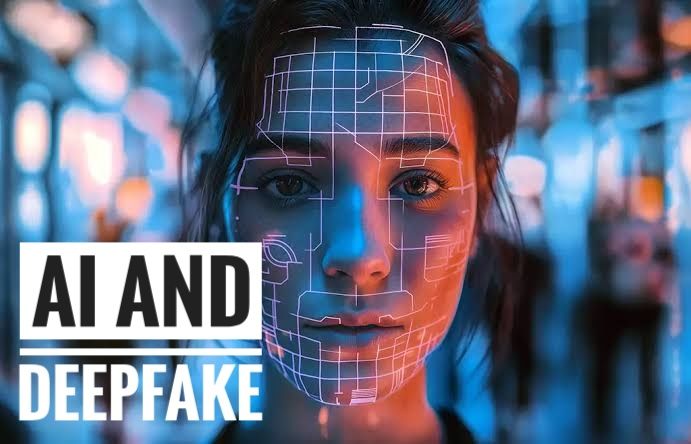
Understanding the Core Technology: How Deepfakes Are Made
Deepfakes start with smart code that learns patterns from tons of images and sounds. Creators feed AI huge piles of data, like photos of a face from every angle. The system then builds new content that looks spot-on. But how does it pull this off without a magic wand?
Generative Adversarial Networks (GANs) Explained
GANs act like two rivals in a contest, one building fakes and the other spotting them. The generator crafts images or videos that mimic real ones, starting rough but getting sharper with feedback. The discriminator checks each attempt, pointing out flaws until the output fools even experts.
This back-and-forth makes deepfakes scarily real. Think of it as a forger practicing until their art passes as a masterpiece. By 2026, GANs handle not just faces but full scenes, pulling from open-source code anyone can tweak.
Autoencoders and Variational Autoencoders (VAEs) in Synthesis
Autoencoders squeeze data down to key traits, like turning a face into a simple code. They then rebuild it, swapping parts for a new version. VAEs add variety, letting the AI dream up tweaks that keep things natural.
Unlike GANs, which battle for perfection, these focus on smooth changes. You might use them to clone a voice from short clips. They’re great for quick edits, though GANs win for high-stakes realism.
The Computational Power Driving Realism
High-end chips like GPUs crunch numbers at lightning speed to train these models. Without them, deepfakes would take weeks; now, it’s hours on a home setup. Massive datasets, scraped from the web, teach AI every quirk of human looks and speech.
The bar keeps dropping as cloud services offer cheap power. Hobbyists with laptops join pros, flooding the net with synthetic media. This ease amps up both fun projects and dark tricks.
The Spectrum of Deepfake Applications: From Innovation to Deception
Deepfake tech isn’t all bad. It opens doors in entertainment and help tools. Yet, the same power twists into harm, from fake news to personal ruin. Let’s break down the good, the bad, and the ugly.
Positive and Creative Uses of Deepfake Technology
In films, directors de-age stars like in recent blockbusters, saving big on makeup. Historians recreate lost events, bringing old speeches to life with AI voices. For folks with disabilities, synthetic voices let them “speak” again after illness.
Accessibility shines here too. Tools dub videos into new languages with perfect lip sync. If you’re into content creation, check out best AI image generators for ideas on blending deepfakes with visuals. These uses show AI as a force for good when handled right.
Political Manipulation and Disinformation Campaigns
Deepfakes sway votes by faking leaders’ words. In 2024 elections, altered clips stirred crowds in India and the US. Bad actors push these to spark riots or doubt facts, like a fake video of a president declaring war.
The “liar’s dividend” lets real scandals get dismissed as fakes. We’ve seen it in Ukraine conflicts, where AI clips confused global views. As polls show, 60% of adults worry about election meddling from such tech.
Identity Theft and Financial Fraud
Scammers clone voices to trick execs into wiring cash. A quick call sounds like the boss, and boom—millions vanish. Videos bypass face scans on phones or banks, fooling security in seconds.
Reports from cybersecurity firms note a 300% jump in voice fraud since 2023. Deepfakes enable “pig butchering” scams, where fake romances lead to huge losses. Your own face could end up in ads you never did, stealing your name for profit.
Navigating the Ethical and Legal Minefield
Ethics clash with tech speed here. Who owns your image in an AI world? Laws lag, leaving gaps that invite abuse. We must push for rules that protect without stifling progress.
Copyright, Consent, and Digital Rights
Using someone’s face without okay feels wrong, yet AI trains on public pics freely. Stars sue over unauthorized deepfakes in porn or ads. Consent needs to cover training data and end use, but enforcing it proves tough.
Digital rights groups call for “right to be forgotten” in AI models. Without it, your likeness lives forever in code. This vacuum lets creators skirt blame, harming real people.
Legislative Responses and Regulatory Frameworks
US states like California ban malicious deepfakes near elections. The EU’s AI Act, rolling out in 2026, labels high-risk content and fines violators. China requires watermarks on all synthetic media.
These steps aim to curb harm while allowing research. Bills push for global standards, as fakes cross borders easy. Still, enforcement stays a puzzle in our connected world.
The Psychological Impact: Trust Erosion
Can you trust that video of your friend? Deepfakes chip away at faith in eyes and ears. Experts say it breeds doubt, making folks ignore real proof too.
Media literacy slips as fakes flood feeds. A 2025 study found 40% of youth can’t spot them. This erosion hits society hard, from courtrooms to family chats. We feel more alone when truth hides.
Defense Mechanisms: Detecting and Mitigating Deepfake Threats
Hope lies in tools that fight back. Detection tech races to catch up, while smart habits keep you safe. No silver bullet, but layers of defense work best.
Advances in Deepfake Detection Software
Algorithms hunt for glitches, like odd blinks or shadow mismatches. They scan heartbeats via skin color shifts in videos. Free tools analyze text too, flagging AI writing.
It’s a chase: creators fix flaws as detectors learn. By 2026, apps like AI content detectors spot fakes in uploads. Accuracy hits 90% for pros, but home versions lag.
Digital Provenance and Watermarking Solutions
Provenance tracks media from start, like a birth certificate for clips. Standards like C2PA embed hidden codes in files. Cameras and apps add these at capture, proving realness.
Watermarks hide in pixels, tough to strip. Big tech tests them on social posts. This proactive fix beats after-the-fact hunts, building trust from the source.
Actionable Tips for Media Consumers
Spot deepfakes with these steps:
- Check eyes—real ones blink natural, fakes often freeze.
- Look for lighting mismatches or wobbly edges.
- Verify with trusted sites; don’t share unconfirmed clips.
Cross-check audio for robotic tones. Pause before reacting—ask, is this too perfect? Build habits like these to shield yourself daily.
Conclusion: Securing the Future of Verifiable Reality
AI and deepfake tech bring huge risks, from election chaos to personal scams, but also sparks creativity in films and aid tools. We’ve seen how GANs and autoencoders craft these illusions, powered by cheap compute. Ethics demand consent and laws like the EU AI Act to plug holes, while detection and provenance fight back.
The real win comes from us all getting savvy. Tech firms must build safeguards, governments enforce rules, and you stay alert with tips like spotting blinks. Dive into media literacy courses today—it’s your best tool against the unseen threat. Together, we can keep reality verifiable in this AI era.

About the Author:
Shankar Sharma is a technology blogger focused on artificial intelligence and emerging digital tools. Through AI These Days, he shares in-depth guides, tool reviews, and practical insights to help users stay updated with the fast-changing AI landscape.