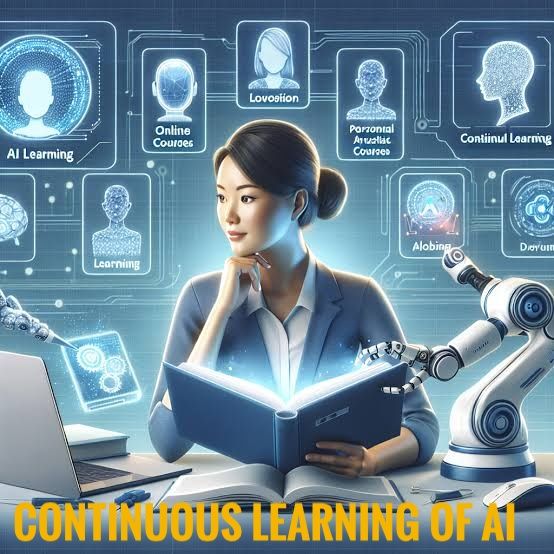
In an era defined by rapid technological advancements, the field of artificial intelligence (AI) stands at the forefront of innovation, reshaping industries and redefining job roles. As AI technologies evolve at an unprecedented pace, the importance of continuous learning has never been more critical for professionals striving to remain relevant and competitive in their careers. This article explores the necessity of ongoing education in the dynamic landscape of AI, highlighting the skills and knowledge gaps within the workforce, effective strategies for learning, and the pivotal role of educational institutions in fostering a culture of lifelong learning. By embracing continuous learning, individuals and organizations can better navigate the complexities of AI and harness its full potential for the future.
Understanding the Landscape of AI Advancements
Historical Context of AI Development
AI didn’t spring forth fully formed like Athena from Zeus’ head. Its roots stretch back to the mid-20th century, when researchers began dabbling in concepts of machine learning and neural networks. The journey has been a series of fits, starts, and eureka moments—think of it as the world’s longest, most complicated game of chess, where each piece is constantly learning new moves. From the early days of rule-based systems to today’s deep learning models, the evolution of AI has been nothing short of a thrilling (and occasionally baffling) ride.
Current Trends and Breakthroughs in AI
Fast forward to today, and AI is taking center stage like a pop star at a sold-out concert. Trends include natural language processing that makes Siri sound less like an awkward robot, advancements in computer vision that power everything from self-driving cars to social media filters, and AI ethics discussions that remind us that just because we can, doesn’t mean we should. Breakthroughs occur at lightning speed, turning yesterday’s science fiction into today’s workday reality.
Future Projections for AI Technologies
What’s next? Well, predictions are like a crystal ball—sometimes clear, often cloudy. Experts speculate that AI will become increasingly integrated into decision-making processes, transforming industries from healthcare to finance. We might see AI that not only assists but collaborates, acting more like a consultant than a calculator. And don’t even get us started on the potential of AI-human partnerships that could redefine work as we know it. Buckle up; it’s going to be a wild ride into the unknown!
The Importance of Continuous Learning
Adapting to Rapid Changes in Technology
In the fast-paced world of AI, if you’re not learning, you’re falling behind faster than you can say “machine learning.” Continuous learning isn’t just beneficial; it’s essential. New algorithms, tools, and frameworks seem to pop up overnight, and being in the know is like trying to catch confetti in a hurricane—challenging but oh-so-rewarding. Keeping skills sharp ensures you can not only keep up but thrive in a landscape that never stands still.
The Impact of Continuous Learning on Career Growth
Think of continuous learning as the ultimate upgrade for your career. Just like your favorite video game character levels up by gaining experience, constantly acquiring new knowledge enhances your value in the job market. Whether it’s picking up a new programming language or understanding the latest ethical implications of AI, each little skill can be the secret sauce that makes you a sought-after candidate. After all, no one wants to be the outdated model in a world of sleek, shiny tech!
Enhancing Problem-Solving Skills through Ongoing Education
Education isn’t just about memorizing facts; it’s about sharpening your problem-solving abilities. By engaging in continuous learning, you’re not just stuffing your brain with information—you’re practically training it to do mental gymnastics. This flexibility allows you to approach challenges from innovative angles and come up with creative solutions that make others say, “Wow, how did you think of that?” And let’s be honest, who doesn’t want to be the wise guru in the room?
Skills and Knowledge Gaps in the AI Workforce
Identifying Key Competencies for AI Professionals
To navigate the AI jungle, professionals need a toolkit filled with essential skills. Key competencies include a strong foundation in mathematics, programming prowess (Python, anyone?), and a good grasp of data analysis techniques. Add a sprinkle of soft skills like communication and teamwork, and you’ve got yourself a well-rounded AI expert ready to tackle the big questions—like why your coffee never tastes as good as it does in a café.
Common Skill Shortages in the Industry
Despite the demand for AI talent, there are some glaring gaps in the workforce that need addressing. Skills in machine learning frameworks, advanced statistical analysis, and ethical AI development are often in short supply. It’s like looking for a needle in a haystack—if the haystack were filled with unqualified applicants! This shortage not only hampers organizations but also stifles innovation, leaving brilliant ideas trapped in the minds of those without the technical skills to execute them.
The Consequences of Skill Gaps on Innovation
When skill gaps exist, innovation hits a brick wall harder than a runaway drone. Companies may struggle to implement cutting-edge AI solutions or miss out on opportunities to enhance their processes. This lag can lead to a lack of competitiveness in the market, missed deadlines, and, let’s face it, a lot of frustrated employees. In a field as dynamic as AI, the consequences of not bridging these gaps could mean lagging behind in a race that never stops running.
Strategies for Effective Continuous Learning
Online Courses and Certifications
Online courses are like the buffet of learning: there’s something for everyone! Platforms such as Coursera, edX, and Udacity serve up a smorgasbord of opportunities to dive deep into AI topics. Whether you’re after a comprehensive certification or just want to learn how to make your chatbot less awkward, there’s a course for that. Plus, the beauty of online learning is you can do it in your pajamas—what’s not to love?
Networking and Community Engagement
In the tech world, it’s often not just what you know, but who you know. Engaging with communities—whether through LinkedIn groups, local meet-ups, or AI conferences—can expose you to new ideas and trends. It’s a chance to share knowledge, ask questions, and shout your latest “Aha!” moment into the universe. Networking can lead to collaborations that might just spark the next big innovation, all while you make some new friends (and maybe even a work bestie or two).
Hands-on Projects and Practical Experience
Nothing beats the learning that comes from doing. Hands-on projects let you flex those newfound skills and apply them in real-world scenarios. Whether it’s building your own AI model, contributing to open-source projects, or experimenting with data sets, practical experience solidifies your understanding and boosts your confidence. Plus, it gives you something impressive to show off in your portfolio—not to mention great stories for when you’re trying to impress folks at parties!
The Role of Educational Institutions in AI Training
Curriculum Development in AI Programs
The fast-paced nature of AI technology demands that educational institutions keep their curricula fresh and relevant. Gone are the days when a degree was a one-and-done achievement. Now, AI programs must integrate the latest innovations—think machine learning, deep learning, and ethical considerations—into their syllabi. This means regularly updating courses to reflect new research, industry standards, and emerging tools that can make students not just job-ready, but future-proof. A sprinkle of hands-on projects wouldn’t hurt either, because who wants to be all theory and no practice?
Collaboration Between Industry and Academia
To bridge the gap between what’s taught in classrooms and what’s needed in the real world, collaboration between academic institutions and industry is essential. This partnership can take the form of internships, guest lectures, and research projects that align educational efforts with industry needs. When universities team up with tech giants and startups alike, students gain invaluable insights and networking opportunities, which can lead to job placements. Plus, it ensures that academia isn’t just churning out graduates armed with outdated knowledge—nobody wants to be the person still using floppy disks in a cloud world!
Encouraging Lifelong Learning Mindsets in Students
Education shouldn’t stop at graduation, and it’s up to schools to instill a love for lifelong learning in their students. By fostering curiosity and adaptability, institutions prepare students for a future where knowledge is fluid and ever-changing. Incorporating flexible learning paths, online resources, and encouraging participation in AI-focused workshops or meetups can cultivate an attitude of continuous self-improvement. Let’s face it: the only thing that should be ever-present is change—so an open mind is the best accessory!
Industry Trends Driving the Need for Lifelong Learning
The Rise of Automation and AI Integration
As AI continues to infiltrate various sectors, the demand for professionals who can navigate and leverage these technologies is skyrocketing. Automation is not just an industry buzzword; it’s a reality that’s reshaping how we work. Employees find themselves needing to adapt to AI tools that streamline tasks, analyze data, and enhance customer interactions. Those who resist learning about these advancements may find themselves facing an existential crisis—like trying to run a marathon in flip-flops while everyone else is sporting high-tech running shoes.
Shifting Job Roles and Responsibilities
The job market is undergoing a seismic shift, with roles evolving faster than you can say “machine learning.” Job seekers can no longer rely on stagnant job descriptions; the reality is that positions are becoming more hybridized, requiring diverse skill sets that integrate technology with traditional expertise. From data wranglers to AI ethics advisors, professionals must continually upskill to stay relevant. Embracing change isn’t just a perk; it’s becoming part of the job description!
Global Competition and the Need for Innovation
In the global marketplace, companies are in a relentless race for innovation. This pressure pushes organizations to seek out employees who are not only skilled but also agile learners and thinkers. Organizations that invest in their employees’ continuous learning tend to outperform their competitors, and that’s a trend that’s hard to ignore. If you want to surf the tsunami of change rather than get washed away, you need to be on your board, paddling hard and learning to ride those waves!
Overcoming Barriers to Continuous Learning in AI
Time Management and Work-Life Balance Challenges
Let’s be real—finding the time to squeeze in learning while juggling work, family, and that Netflix series you’re obsessed with can feel tougher than herding cats. Many professionals struggle to prioritize their learning when work demands—or life—get hectic. It’s essential to recognize that setting aside even a small amount of time each week for development can lead to monumental progress. Remember, Rome wasn’t built in a day, and neither will your AI expertise be; small, consistent efforts can pave the way to success!
Access to Resources and Learning Materials
In an age where information is practically a superhero (let’s be honest, isn’t Google just waiting for its cape?), access to quality resources can still be a challenge for many. Not everyone has the luxury of attending prestigious universities or paying for expensive courses. The good news? There’s a plethora of free and affordable resources online—think MOOCs, webinars, and community college courses—just waiting to be explored. Libraries may not have the latest tech books, but the internet sure does, so grab your virtual pickaxe and start digging!
Motivation and Self-Discipline in Learning
Let’s face it: learning can sometimes feel like a chore, especially after a long day at work. The couch can be more tempting than the latest AI course. To overcome this hurdle, individuals must cultivate intrinsic motivation and self-discipline. Setting achievable goals, tracking progress, and finding ways to make learning enjoyable—such as joining study groups or gamifying the process—can help. After all, who knew that conquering AI could feel like slaying dragons on a quest? Just remember: every little step counts on the journey toward expertise!
Future Outlook: Evolving with AI Technologies
Emerging Roles in the AI Landscape
As AI continues to morph and evolve, it’s spawning entirely new job roles that didn’t exist yesterday. From AI ethics consultants to data-driven storytellers, the possibilities are endless! Staying ahead of the curve means keeping an eye on these emerging roles and honing skills that correspond with this technological metamorphosis. Those who can think creatively about how to harness AI’s capabilities will find themselves in high demand—and possibly even in a corner office with a view!
Preparing for Future Skills Requirements
The skills that were all the rage yesterday might be outdated tomorrow. As AI reshapes industries, future professionals must develop a proactive approach to skill acquisition. This means upskilling in areas like data analysis, programming languages, and even soft skills like adaptability and emotional intelligence. Think of it as building a Swiss Army knife of competencies—versatile and ready for any situation! The more well-rounded you are, the better equipped you’ll be to tackle whatever the future throws your way.
Fostering a Culture of Continuous Improvement
Creating an environment that embraces continuous learning isn’t just beneficial—it’s essential for organizations looking to thrive in an AI-driven world. Encouraging teams to seek out learning opportunities, share knowledge, and celebrate progress can create a culture of growth and innovation. After all, if your workplace feels like a constant quest for improvement rather than a dusty museum of outdated practices, employees will be more engaged and enthusiastic about embracing the changes that AI brings. So let’s raise a toast to lifelong learning—may we never stop growing, evolving, and maybe even having a little fun along the way!In conclusion, the rapidly evolving field of artificial intelligence presents both challenges and opportunities for professionals across various sectors. Embracing continuous learning is essential to stay ahead in this dynamic landscape, equipping individuals with the skills needed to adapt and thrive. By investing in ongoing education and fostering a culture of lifelong learning, we can ensure that the workforce is well-prepared to meet the demands of tomorrow’s AI-driven world. Through collaboration between industry, academia, and individual learners, we can collectively harness the transformative power of AI for a brighter future.
FAQ
1. Why is continuous learning important in the field of AI?
Continuous learning is vital in AI due to the rapid pace of technological advancements and the constant evolution of tools and methodologies. Staying updated helps professionals remain competitive and relevant in their roles, ensuring they can effectively utilize new technologies and address emerging challenges.
2. What are some effective ways to engage in continuous learning for AI professionals?
AI professionals can engage in continuous learning through various methods, including online courses, certifications, attending workshops and conferences, participating in hackathons, and collaborating with peers in professional networks. Hands-on projects and real-world applications also enhance learning experiences.
3. What skills are currently in demand in the AI industry?
Key skills in demand within the AI industry include programming languages (such as Python and R), machine learning algorithms, data analysis and visualization, natural language processing, and understanding ethical implications of AI technologies. Soft skills like problem-solving, critical thinking, and teamwork are also highly valued.
4. How can educational institutions better support continuous learning in AI?
Educational institutions can support continuous learning in AI by offering updated and relevant curricula, facilitating partnerships with industry for practical experience, providing access to resources and mentorship programs, and promoting a culture that encourages lifelong learning and adaptability among students.

About the Author:
Shankar Sharma is a technology blogger focused on artificial intelligence and emerging digital tools. Through AI These Days, he shares in-depth guides, tool reviews, and practical insights to help users stay updated with the fast-changing AI landscape.