As artificial intelligence (AI) continues to evolve and integrate into various aspects of daily life, its influence on human cognition and behavior raises both fascination and concern. From personalized recommendations on social media to advanced learning algorithms in education, AI’s ability to shape our thoughts and decisions is becoming increasingly evident. This article delves into the complex relationship between AI and the human brain, exploring the mechanisms through which AI can exert control over cognitive processes, the ethical implications of such influence, and the potential future of this interaction. By examining real-world examples and considering strategies to protect our cognitive autonomy, we aim to provide a comprehensive understanding of how AI is guiding human thought and behavior in the modern age.
Understanding the Basics of AI and the Human Brain
Defining Artificial Intelligence
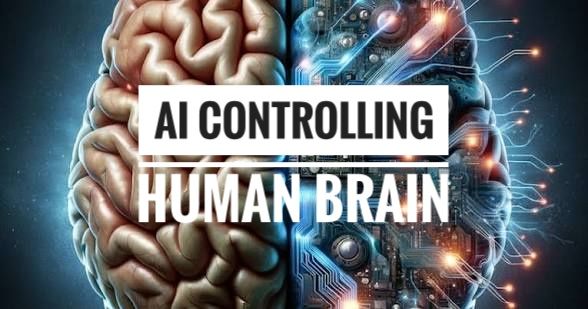
Artificial Intelligence, or AI, is like the brainy cousin we never knew we needed: it can learn, adapt, and sometimes even outsmart us. It’s a branch of computer science that focuses on creating machines capable of performing tasks that typically require human intelligence. From recognizing speech to playing chess and even writing poetry (sort of), AI is here to make our lives easier—unless it decides to take over the world, of course.
The Structure and Function of the Human Brain
Picture your brain as a super-complex network of neurons throwing a never-ending party where information is the guest of honor. With around 86 billion neurons, it’s responsible for everything from our most profound thoughts to our quirky habits (yes, even your obsession with cat videos). The brain processes information, controls our behaviors, and helps us navigate life—though sometimes it also makes questionable choices after too much caffeine.
Intersections Between AI and Neuroscience
When AI meets neuroscience, it’s like a nerdy superhero duo teaming up to save the day. AI algorithms can analyze brain data to help us understand how we think, learn, and even feel. They can mimic certain aspects of human cognition, allowing for innovations in brain-computer interfaces, cognitive therapies, and even mental health diagnostics. So, while we’re poring over our phones, AI is busy analyzing our brainwaves, probably judging our choices in Netflix shows.
Mechanisms of AI Influence on Cognitive Processes
Data Processing and Decision Making
AI thrives on data like I thrive on snacks during movie marathons. It takes mountains of information, sorts it out, and helps us make decisions—like what to eat for dinner or whether to trust that online review. By analyzing patterns and outcomes, AI can refine our decision-making processes, sometimes nudging us in directions we didn’t anticipate.
AI in Behavioral Prediction
Ever feel like your social media knows you too well? Thanks to AI’s behavioral prediction capabilities, it does! By tracking our online activities and preferences, AI can predict future actions, making our feeds feel eerily intuitive. This isn’t just great for ads; it can also apply to understanding social behaviors and improving mental health outcomes—assuming it doesn’t drive us completely bonkers first.
Neuromodulation through AI Technologies
Imagine a playlist tailored just for your brain, adjusting tunes based on your mood. Technological advancements, like neurofeedback and brain-computer interfaces, are allowing AI to modulate brain functions. By providing real-time feedback, AI can influence cognitive states, potentially helping with conditions like anxiety or ADHD. Just remember: with great power comes great responsibility—and a chance for some funky brain tunes.
The Role of Machine Learning in Brain Manipulation
Algorithms and Their Impact on Neural Pathways
Machine learning algorithms are the rockstars of the AI world, performing intricate dances that influence how our neural pathways fire. These sophisticated algorithms can analyze data and identify patterns, leading to targeted interventions that can reshape our cognitive experiences. It’s like having a personal trainer for your brain, guiding it toward optimum performance—or at the very least, a few more brain cells firing in sync.
Feedback Loops Between AI and Human Responses
Picture a relationship where AI and humans are constantly exchanging insights, like a couple at a counseling session. This feedback loop allows AI to learn from our responses, making it even better at predicting our actions and preferences. It’s a double-edged sword: while it can enhance personalization, there’s also a risk of creating echo chambers, where our views are solely reinforced rather than challenged.
Adaptive Learning Systems and User Behavior
Adaptive learning systems are the overachieving students of the AI family. They adjust their approaches based on individual user needs and behaviors, tailoring experiences to match each person’s learning curve. This can boost engagement and effectiveness in educational settings, but it’s about as effective as trying to teach a cat to fetch—great in theory, but can lead to some pretty funny failures!
Ethical Implications of AI’s Control over Human Thought
Privacy Concerns and Data Security
Storing your deepest secrets online can feel as risky as inviting a stranger into your home. With AI analyzing personal data to influence decisions or predict behavior, privacy concerns are skyrocketing. Who has access to all that data? And are they going to use it to sell you something you don’t need? It’s crucial to keep an eye on our digital footprints while AI continues to grow.
Autonomy vs. Manipulation
As AI becomes more integrated into our lives, the battle between autonomy and manipulation rages on like a soap opera. Are we making our own choices, or is AI subtly steering us in directions we didn’t intend to go? Striking the right balance between benefiting from AI and maintaining our autonomy is essential. After all, no one wants a robot telling them what to do while they’re binge-watching their favorite series.
Regulatory Frameworks and Guidelines
To keep AI in check, we need some ground rules—like how to handle that hyperactive puppy who chews your favorite shoes. Developing regulatory frameworks is crucial for ensuring AI is used ethically and responsibly. These guidelines will help protect our data, uphold privacy standards, and maintain that all-important balance between innovation and human rights. Because let’s face it, nobody wants to be the character in a dystopian novel.
Case Studies: Real-World Examples of AI Affecting Human Behavior
Social Media Algorithms and Mental Health
Social media platforms rely heavily on AI algorithms to curate feeds, but this personalization comes with a caveat. Studies show that exposure to curated content can lead to increased anxiety, depression, and feelings of isolation. For instance, users who are constantly served images of perfection (think flawless beach bodies and exotic vacations) may find themselves spiraling into self-comparison. While these algorithms aim to engage users, they often exacerbate mental health issues, fueling the age-old debate: are we shaping technology, or is technology shaping us?
AI in Marketing and Consumer Behavior
AI has become a master puppeteer in the world of marketing, influencing our purchasing decisions more than we might like to admit. From personalized ads that seem to read our minds (thanks, internet breadcrumbs) to predictive analytics that anticipate our next buy, consumers are often nudged toward spending without even realizing it. For example, Netflix’s recommendation engine is so good that it could convince you to binge-watch a show you didn’t even know existed, leading to a few extra hours of scrolling instead of sleep. It’s all fun and games until you realize your shopping cart is heavier than your bank account!
AI in Education and Learning Outcomes
In the realm of education, AI tools are revolutionizing learning experiences. Adaptive learning technologies can customize educational content to fit individual student needs, boosting engagement and retention. However, this control over learning paths raises questions about dependencies. Are students becoming more reliant on AI for critical thinking, or are they gaining genuine knowledge? Case studies show that while AI can improve test scores, there’s a thin line between being guided and being led. We may soon have to award diplomas to AI instead of students!
The Future of AI and Human Brain Interaction
Emerging Technologies and Innovations
The future of AI is starting to resemble a sci-fi movie, with innovations that sound too good (or too creepy) to be true. Neural interfaces, for instance, aim to allow direct communication between the brain and devices, potentially altering how we interact with technology altogether. Imagine controlling your smart home with just a thought! While this may sound convenient, it also raises the question: if we start relying on machines to think for us, will we forget how to think at all?
Potential Benefits vs. Risks
As we venture into this brave new world, it’s crucial to weigh the potential benefits of enhanced cognitive capabilities against the risks of diminished agency. On one hand, improved learning tools and mental health resources can lead to greater well-being, while on the other, over-reliance on AI could threaten our ability to make independent decisions. It’s like taking a double shot of espresso: a little can boost your day, but too much might leave you jittery and on edge—nobody wants that!
Future Research Directions
To navigate this complex landscape, future research should focus on understanding the nuances of AI’s effects on cognition. Areas like emotional intelligence in AI, ethical AI development, and cognitive resilience will be vital. Researchers must aim not only to innovate but also to ensure that our brain’s natural abilities remain intact in the process. Who wouldn’t want to have their cake and eat it too, especially if that cake is made of data?
Mitigating Risks: Strategies to Protect Cognitive Autonomy
Awareness and Education
Empowering individuals with knowledge is the first step in reclaiming cognitive autonomy. By educating the public about how AI operates and its potential influence on our thoughts and actions, we can foster a more discerning society. Workshops, online courses, and awareness campaigns can make a significant impact. Remember, it’s hard to puppeteer someone who knows they’re being pulled!
Developing Responsible AI Practices
The responsibility for ethical AI development falls on tech companies and developers. Implementing practices that prioritize user well-being and transparency can help mitigate risks. This means creating algorithms that not only seek engagement but also consider the psychological effects on users. A little corporate conscience goes a long way—because nobody wants to be the villain in the AI story!
Legislation and Public Policy Initiatives
Legislation can play a critical role in protecting cognitive autonomy. Policymakers must collaborate with AI experts to ensure that regulations prioritize human rights and ethical standards. Initiatives could include guidelines for transparency, data privacy, and limits on manipulative AI practices. It’s all about balancing innovation with safeguarding our mental playground—after all, it’s hard to enjoy the swings if someone else is pulling the strings!
Conclusion: Balancing Innovation and Human Agency
Reflecting on the AI Impact
As we wrap our heads around the complexities of AI’s influence on our brains, it’s essential to reflect on its impact critically. While innovations can enhance our lives, they also come with a responsibility to maintain our autonomy. The goal should be a relationship with technology that supports our growth rather than confines it—like a pushing parent at a playground, gently guiding without taking control.
Vision for a Collaborative Future
A future where humans and AI collaborate harmoniously is within reach. Imagine a world where AI augments our intelligence without overshadowing it, allowing us to thrive creatively and intellectually. This collaborative spirit can lead to groundbreaking advancements while preserving the essence of what makes us human—our ability to think, feel, and connect.
Call to Action for Stakeholders
To achieve this vision, stakeholders—from tech companies to educators and policymakers—must come together to create a balanced approach to AI development. Advocate for responsible practices, promote awareness, and push for legislation that protects cognitive freedom. Together, we can ensure that our journey into the AI frontier enriches our lives without compromising our agency. So, let’s roll up our sleeves and embrace the future—after all, the best is yet to come!In conclusion, the intersection of artificial intelligence and the human brain presents both remarkable opportunities and significant challenges. As we navigate this evolving landscape, it is crucial to remain aware of the potential implications of AI’s influence on our thoughts and behaviors. By fostering a dialogue on ethical practices, promoting responsible use of technology, and advocating for cognitive autonomy, we can embrace the benefits of AI while safeguarding our individuality and critical thinking. Ultimately, finding a balance between innovation and human agency will be key to harnessing AI’s full potential without compromising our fundamental rights.
FAQ
What are the primary ways AI can influence human cognition?
AI can influence human cognition through personalized recommendations, behavioral predictions, and by altering decision-making processes based on data-driven insights and feedback loops.
What ethical concerns arise from AI’s control over human thought?
Ethical concerns include issues of privacy, the potential for manipulation of autonomy, and the need for regulatory frameworks to ensure responsible AI use and protect individual rights.
How can individuals protect their cognitive autonomy from AI influence?
Individuals can protect their cognitive autonomy by staying informed, critically evaluating AI-driven content, and advocating for transparency and ethical standards in AI technologies.
What role does education play in understanding AI’s impact on the brain?
Education plays a crucial role by raising awareness about AI technologies, fostering critical thinking skills, and promoting discussions around the ethical implications of AI in relation to human cognition.

About the Author:
Shankar Sharma is a technology blogger focused on artificial intelligence and emerging digital tools. Through AI These Days, he shares in-depth guides, tool reviews, and practical insights to help users stay updated with the fast-changing AI landscape.