The advertising industry is undergoing a profound transformation, driven by the rapid advancement of artificial intelligence (AI) technologies. From personalized marketing strategies to automated ad creation, AI is reshaping how brands connect with consumers. As businesses increasingly leverage data analytics and machine learning, they gain deeper insights into consumer behavior, enabling more targeted and effective advertising campaigns. However, this evolution is not without its challenges, including ethical considerations and the need for transparency. This article explores the multifaceted impact of AI on the advertising industry, highlighting its benefits, challenges, and future trends shaping the landscape of marketing.
Overview of AI in Advertising
Definition of AI in the Context of Advertising
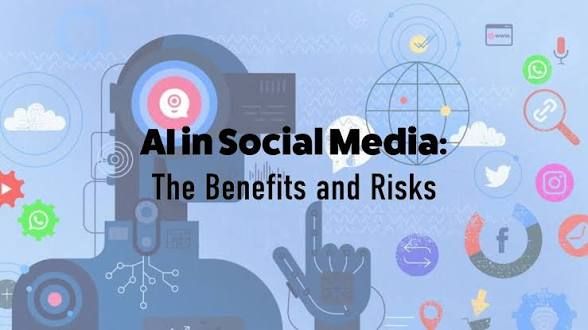
Artificial Intelligence (AI) in advertising refers to the integration of advanced algorithms and machine learning models to optimize and automate various aspects of advertising campaigns. Imagine having a super-smart assistant who knows what consumers want before they do – that’s AI for you! It analyzes data, predicts behaviors, and personalizes content, all while you sip your coffee.
Historical Context: AI’s Entry into Advertising
AI didn’t just waltz into the advertising scene; it made a grand entrance! In the early 2000s, companies began using basic algorithms for data analysis, but it wasn’t until the mid-2010s that AI truly took off. With the explosion of big data and computing power, AI tools began to replace traditional methods, allowing advertisers to connect with consumers in ways that previously seemed like magic (or maybe just really good luck).
Personalized Advertising: The New Standard
Understanding Consumer Behavior through AI
Gone are the days of one-size-fits-all ads! AI decodes online behaviors and preferences, helping brands understand their audience like never before. By analyzing browsing habits, purchase history, and even social media activity, AI crafts a detailed consumer profile that marketers can use to tailor ads that feel personal – even if they’re actually mass-produced.
Dynamic Ad Targeting Techniques
Thanks to AI, ad targeting is now as dynamic as a DJ mixing tracks at a party! Through real-time data analysis, brands can adjust ad placements based on consumer interactions, ensuring the right message reaches the right person at the right time. Think of it as the advertising equivalent of a well-timed joke – delivered perfectly to get the best response.
Benefits of Personalization for Brands and Consumers
Personalized advertising isn’t just a buzzword; it’s a win-win! Brands enjoy higher engagement rates and increased conversions, while consumers appreciate being served content that resonates with their interests. It’s like getting a tailored outfit instead of a generic one – everyone feels better when things fit just right!
AI-Driven Data Analytics and Consumer Insights
The Role of Big Data in Advertising
Big data is the fuel that powers AI in advertising. With mountains of consumer data generated daily, AI plays a crucial role in analyzing and interpreting this information, transforming it into actionable insights. It’s like having a crystal ball that provides foresight into trends, preferences, and even potential pitfalls.
Predictive Analytics for Campaign Success
Predictive analytics is where AI channels its inner fortune teller! By examining historical data and identifying patterns, AI can forecast future consumer behavior. This enables brands to optimize their strategies and campaigns for success before they even launch. Think of it as having a cheat sheet for the marketing game!
Real-time Feedback and Adjustment Mechanisms
AI doesn’t just help set it and forget it; it offers real-time feedback that allows brands to pivot and adjust their strategies on the fly. If an ad isn’t performing well, AI can suggest changes in copy, imagery, or even audience targeting. It’s like having a GPS for your advertising journey, guiding you smoothly to your destination (or at least avoiding those potholes!).
Automation in Ad Creation and Management
AI Tools for Content Generation
AI is not just crunching numbers; it’s also flexing its creative muscles! With AI tools for content generation, brands can create ad copy, social media posts, and even visual content faster than you can say “click here.” It’s like having a personal ghostwriter, but without the need for coffee breaks!
Streamlining Ad Placement and Budget Management
Managing ad placements and budgets can feel like herding cats, but AI simplifies everything. By automating the optimization of ad placements across channels and managing budgets based on performance data, marketers can focus on strategy rather than stress. It’s the ultimate “set it and forget it” approach – just without the burnt roast!
Impact on Creative Teams and Workflow
With AI taking over repetitive tasks, creative teams can focus on innovation and ideation rather than getting bogged down in the nitty-gritty details. This shift leads to more engaging campaigns and a happier, less frazzled creative team. Think of it as giving them superpowers – now they can fly through projects instead of trudging through the mud!
Ethical Considerations and Challenges
Data Privacy and Consumer Trust
In a world where consumers are bombarded with online ads, the line between personalization and invasion can get a bit blurry. With AI collecting heaps of personal data to tailor ads, the risk of breaching privacy becomes a top concern. Brands must tread carefully, as erosion of consumer trust can lead to a backlash so fierce it could make even the most seasoned marketer cringe.
Bias in AI Algorithms
AI might be super smart, but it’s not immune to human error, especially when it comes to bias. If the data used to train AI is skewed, the advertising output can perpetuate stereotypes or exclude certain demographics altogether. This kind of slip-up can damage a brand’s reputation faster than you can say “misleading ad campaign.”
Regulatory Landscape and Compliance Issues
With great power (or AI) comes great responsibility, and regulations are scrambling to catch up. As governments impose stricter rules on data usage and advertisement practices, companies must navigate this ever-changing landscape. Non-compliance can lead to hefty fines and legal woes—talk about a buzzkill for any marketing strategy!
Future Trends: AI Innovations in Advertising
Emerging Technologies and Their Potential Impact
New technologies like augmented reality (AR) and virtual reality (VR) are queuing up to shake hands with AI, promising to take advertising into immersive realms previously only imagined in sci-fi flicks. Picture a world where consumers try products in virtual environments before purchasing—sounds like a marketer’s dream, right?
AI and the Evolution of Consumer Engagement
As AI continues to evolve, so does the way consumers interact with brands. From chatbots that feel almost human to personalized content that anticipates needs, the landscape is shifting toward a more dynamic relationship. Brands that embrace this evolution will not only gain loyalty but also enjoy the satisfaction of hitting the advertising sweet spot.
Predictions for the Next Decade
Looking ahead, it’s safe to say AI will push the boundaries of creativity and efficiency in advertising. Imagine hyper-personalized ads that adapt in real time based on viewer response. Or AI-powered analytics predicting trends before they even happen. If you thought the past decade was a wild ride, just wait for the next one!
Case Studies: Successful AI Implementations
Brand Success Stories
A sprinkle of AI magic has transformed many brands into case studies of success. From Netflix’s recommendation engine that keeps viewers glued to their screens to Coca-Cola’s AI-driven marketing campaigns that engage consumers on a personal level, these stories showcase how AI can be harnessed for maximum impact.
Lessons Learned from AI Failures
Not every AI adventure ends in applause. Some brands have faced public relations meltdowns due to poorly executed AI strategies—think tone-deaf ads or content that just didn’t land. These bloopers offer valuable lessons on the importance of thoughtful implementation, testing, and keeping a human touch in the process.
Comparative Analysis of Traditional vs. AI-Driven Campaigns
When pitting traditional advertising methods against AI-driven campaigns, the differences are as clear as day. While traditional methods rely on broad strokes, AI campaigns can target specific audiences with laser precision. The result? Higher engagement rates and better ROI. So, if you’re still clinging to those newspaper ads, it might be time for a reality check!
Conclusion: The Evolving Landscape of Advertising with AI
Summary of Key Insights
From personalized ads to ethical dilemmas, AI is reshaping the advertising industry in ways we couldn’t have imagined a decade ago. While there are challenges to tackle, the benefits of harnessing AI for smarter, more effective marketing are undeniable.
The Importance of Adapting to AI Advancements
Staying relevant in this fast-evolving landscape means embracing AI advancements and shifting strategies accordingly. Brands that adapt will not only survive but thrive, leaving their competition in the digital dust.
Final Thoughts on the Future of Advertising
As we gear up for a future where AI plays an even bigger role in advertising, one thing’s clear: the key to success lies in balancing innovation with ethical practices. For the savvy marketer, the future isn’t just about selling; it’s about building relationships, trust, and navigating this brave new world together.As the advertising industry continues to evolve with the integration of artificial intelligence, brands must stay agile and adapt to these changes to remain competitive. The potential for personalized marketing, enhanced data analytics, and streamlined processes offers remarkable opportunities for growth and engagement. However, navigating the ethical challenges and ensuring consumer trust will be crucial for long-term success. By embracing AI responsibly, the advertising industry can unlock new avenues for creativity and effectiveness, ultimately transforming how brands connect with their audiences.
FAQ
What are the main benefits of using AI in advertising?
AI enhances advertising by enabling personalized marketing, improving data analytics for better consumer insights, automating ad creation, and optimizing campaign management. These benefits lead to more effective and targeted advertising strategies.
How does AI impact consumer privacy in advertising?
While AI provides valuable insights into consumer behavior, it also raises concerns about data privacy. Brands must navigate these challenges by ensuring transparency, obtaining consent, and adhering to regulations to maintain consumer trust.
Can small businesses benefit from AI in advertising?
Yes, small businesses can leverage AI tools to enhance their advertising efforts. Access to AI-driven platforms can help them optimize ad spend, target specific audiences more effectively, and analyze campaign performance without requiring extensive resources.
What future trends should we expect in AI and advertising?
Future trends may include the increased use of voice and visual search, advancements in predictive analytics, and the integration of augmented and virtual reality in advertising. These innovations will likely enhance consumer engagement and create more immersive experiences.

About the Author:
Shankar Sharma is a technology blogger focused on artificial intelligence and emerging digital tools. Through AI These Days, he shares in-depth guides, tool reviews, and practical insights to help users stay updated with the fast-changing AI landscape.